
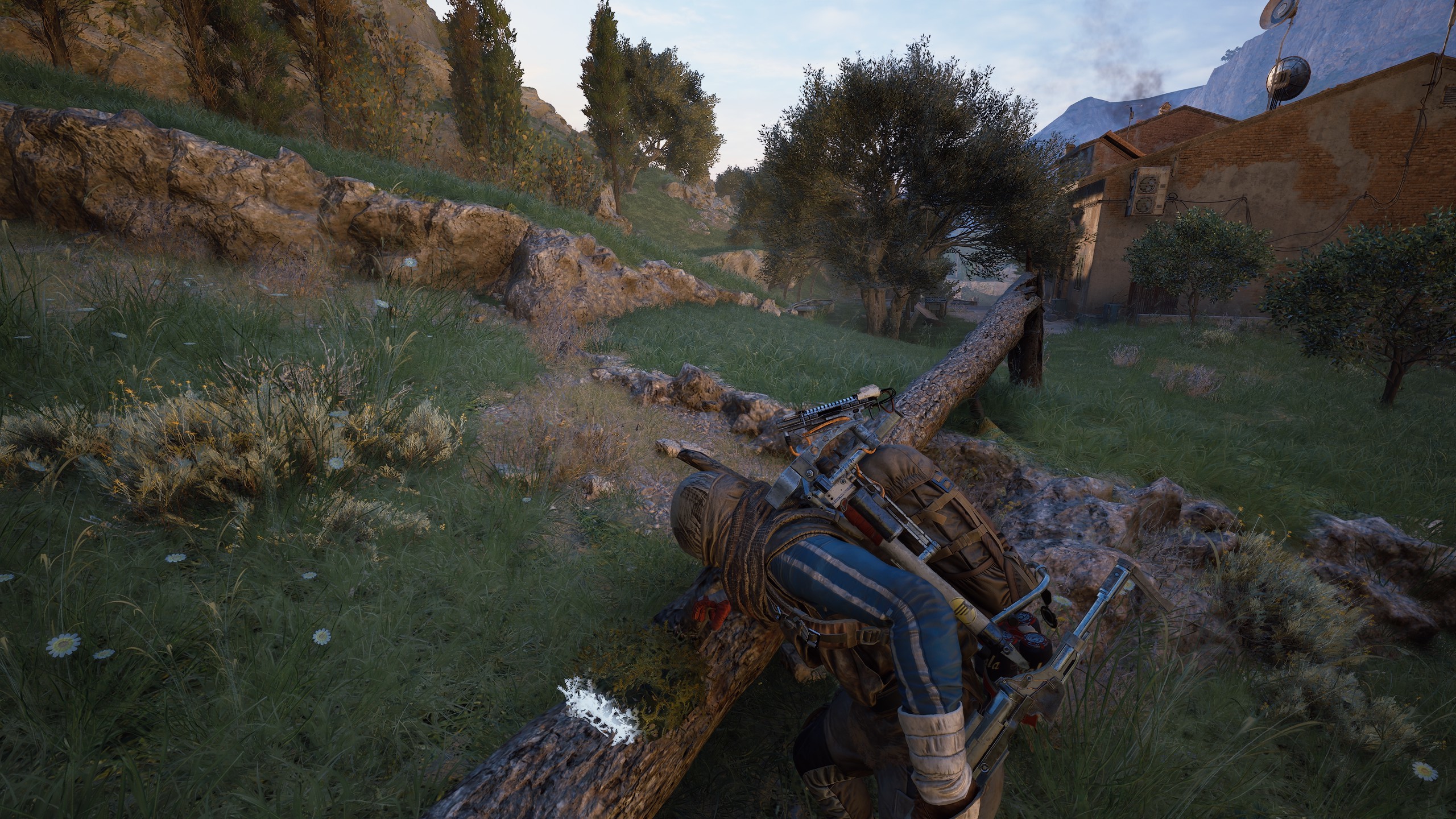
Understanding map rotation in Arc Raiders presents a distinct progression path that operates independently from traditional combat systems. Rather than testing reaction speed or gear optimization, this knowledge emphasizes preparation, matchup awareness, and long-term roster development. For players invested in collection, currency generation, or achievement completion, comprehending map rotations forms a reliable and repeatable daily framework.

This guide examines how to approach map rotations efficiently, focusing on route planning, encounter mechanics, and strategic consistency rather than individual gear rarity.
Understanding the Structure of Map Rotations
Map rotations are designed as deterministic encounters. Enemy patrols, resource spawns, and extraction points follow fixed patterns, allowing outcomes to be predicted once the encounter is understood. Unlike random matchmaking, these rotations reward players who invest time in studying mechanics rather than improvising responses.
Most playable maps are tied to specific geographic regions and rotate on predictable schedules. This regularity enables players to integrate them into daily routines without uncertainty. The structure encourages efficiency through repetition, where mastery is achieved by minimizing variance rather than maximizing adaptability.
Daily Route Planning and Time Efficiency
Effective farming begins with route optimization. Because objectives and points of interest are spatially distributed across rotating maps, inefficient travel quickly becomes the dominant time cost. Grouping objectives by region and minimizing backtracking significantly increases daily efficiency.
Optimized routes prioritize clusters of objectives that can be completed sequentially without switching loadouts excessively. This approach reduces setup overhead and allows players to complete all available tasks within a constrained time window, making playing through map rotations viable even for limited play sessions.
Enemy Encounter Design and Predictability on Rotating Maps

Enemy battles on rotating maps are intentionally scripted to emphasize pattern recognition. Enemy types often rely on synergy between abilities, such as area-of-effect attacks combined with crowd control or avoidance cycles that punish poor timing. These mechanics are not intended to surprise players indefinitely, but to be learned and countered.
Once an enemy’s sequence in a specific map segment is understood, success becomes repeatable with minimal variance. This predictability shifts the challenge from execution to preparation, rewarding players who build and maintain a versatile loadout rather than relying on a single dominant strategy.
Core Strategic Principles for Consistent Success Across Map Rotations
- Prioritize survivability and sustain over burst damage
- Use weapons with predictable ability cooldowns to control tempo
- Design loadouts specifically for common encounters on rotating maps rather than general use
- Account for environmental hazards and enemy types specific to each map when selecting abilities
- Minimize reliance on critical hits or low probability outcomes
Long Term Loadout Development for Varied Maps
Success in varied map rotations is less about owning rare gear and more about maintaining a functional loadout. A small collection of well-leveled, mechanically reliable weapons often outperforms a large but unfocused collection. Long-term efficiency comes from identifying items that fulfill multiple strategic roles and investing in their progression.
Loadout maintenance also includes adapting to balance changes and new map rotations. Periodic reevaluation ensures that strategies remain effective and prevents reliance on outdated mechanics.
Conclusion: Map Rotation as a System of Mastery
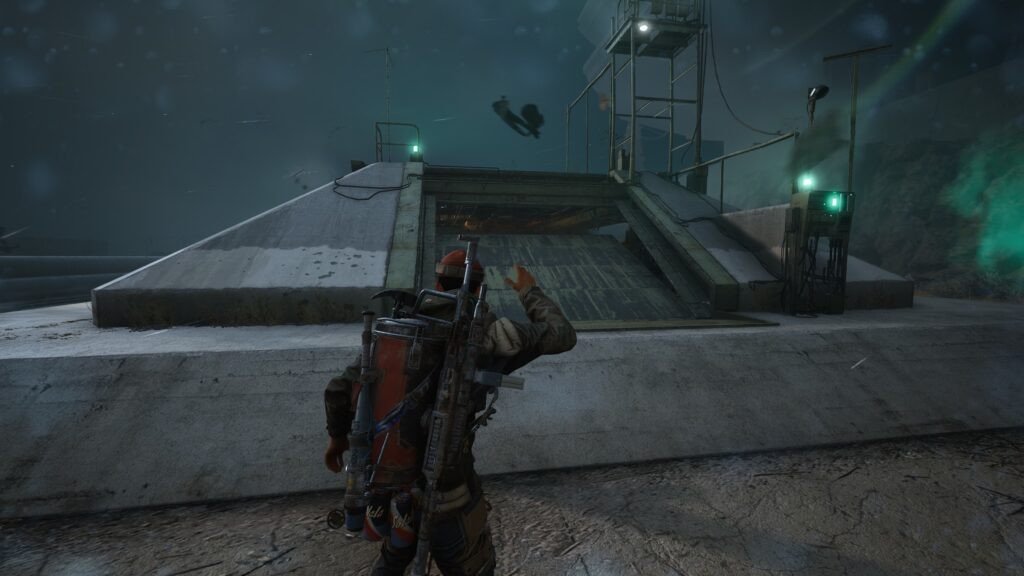
Understanding map rotations rewards consistency, preparation, and system knowledge rather than improvisation. By approaching them as structured challenges with repeatable solutions, players can transform daily gameplay into a stable and efficient progression loop.
When integrated into a broader routine, mastering map rotations becomes less of a diversion and more of a long-term mastery system, offering steady rewards and a distinct form of strategic satisfaction.